

Smile, You’re On Camera
A deeper discussion about Automatic License Plate Readers
The DSA Against Data Centers campaign has recently decided to add opposition to “automated license plate readers” to its purview. You may have heard of the company Flock, or the acronym “ALPR” recently, as the use, misuse, and destruction of these devices has been in the news a lot lately. For this piece, I would like to give our members an overview of what these devices are, how they are supported politically and economically, and why we as members of the working class and the DSA specifically should oppose their use, especially in their current form.
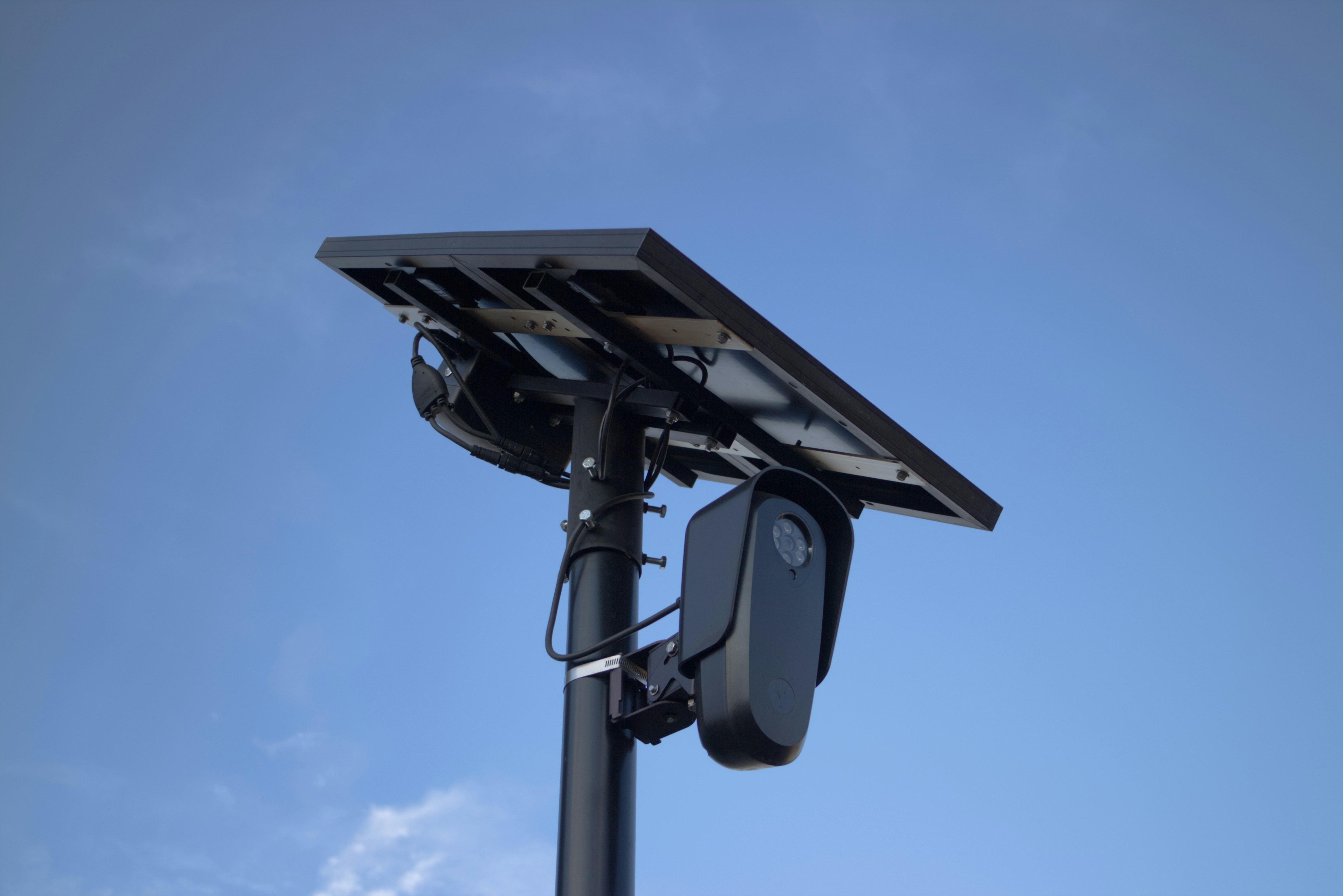 Photo by Mother Flocker on Unsplash
What is an Automated License Plate Reader? It is a camera connected to a computer vision system that is designed to capture pictures of, and recognize the letters on, license plates. They have been in use for niche applications for a long time—places like parking lots, toll roads, and airports use them for security, access control, and assessing tolls. For the past few years, their use has spread to much more general applications. Increasingly, municipalities will install ALPRs on public roads, typically on their borders and in “high crime” areas, to scan the license plates of every passing car. The justification for this is to help prosecute crimes like vehicle theft or to help track down someone who is on the run.
In practice, these license plate reader networks are mostly used for stalking, of both the ostensibly legal and personal vendetta varieties.
The way the installation of these cameras work is typically that a local police department or sheriff’s office pressures the municipality (who owns or has easement rights on all the land adjacent to all the roads) to spend their money—your money—on these readers, and then the police department gets access from the vendor to the interface that lets them use the readers. One unit of government “owns” it, but a different one uses it.
The largest manufacturer of these cameras is a company called Flock. The second largest vendor is Axon, who you may have heard of before, because they make police body cameras. We’re going to be focusing on Flock in this article because that is what you will typically see in the Chicago suburbs.
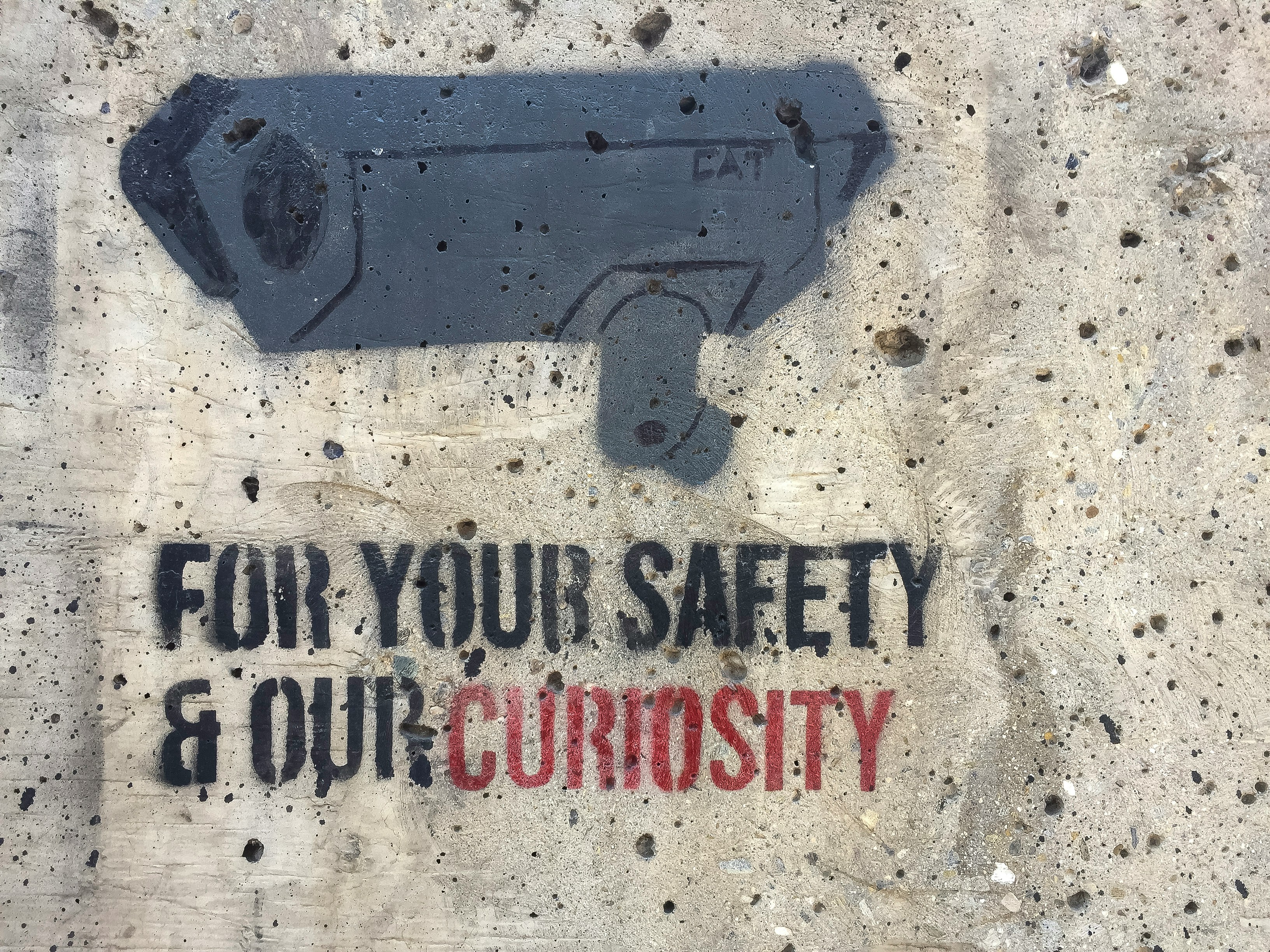 Photo by Etienne Girardet on Unsplash
Flock cameras are usually, but not always, composed of an oval-shaped camera and a solar panel mounted to a fiberglass pole, all painted black. Inside the camera body is a large lithium polymer battery, the camera optics, and a small computer with a cellular data connection. The camera is constantly recording locally and running basic image recognition. When it sees a license plate, it takes that single frame, or sometimes a short video, and uploads it to Flock’s cloud for further processing. Once in the cloud, the plate is run against databases of stolen vehicles and plates registered to people with active warrants. The datapoint is then stored on Flock’s servers for an amount of time dependent on the jurisdiction. Note that license plates are not the only thing they can snapshot and upload. Flock maintains that their devices cannot track biometric data, but there are instances of cops using Flock cameras to track pedestrians, so I believe they can be configured to alert on a generic human silhouette. At the Socialism Summit, one of the presenters said that “Flock owns the data generated by the cameras” which seems odd to me, you’d think that the data would be “owned” by the municipality that owns the pole, even if flock is holding it on their servers. If it is true, it’s quite alarming.
Now that we understand how these systems work technically, let’s circle back to how they work on a practical level. The main use for these systems by the local PD is flagging people with outstanding warrants. If you’ve ever seen a cop sitting at the edge of town next to one of these readers, they are waiting for someone,anyone, with an outstanding warrant to drive by. They will then pull that person over for a minor traffic violation and take them into custody. Note that the cops are trained to lie to drivers about why they are being pulled over and to omit the license plate hit from their report. I don’t think I need to explain to anyone here why the vast majority of warrants that could get you into a situation like this are bullshit.
The core use for these ALPR systems is to systematize enforcement of laws that very few people are in favor of, and that we as socialists oppose on principle. The systematic use itself is being covered up, as a matter of company and police policy.
Now I hear you asking, “Comrade, you always save the best for last, how could this possibly get any worse?”
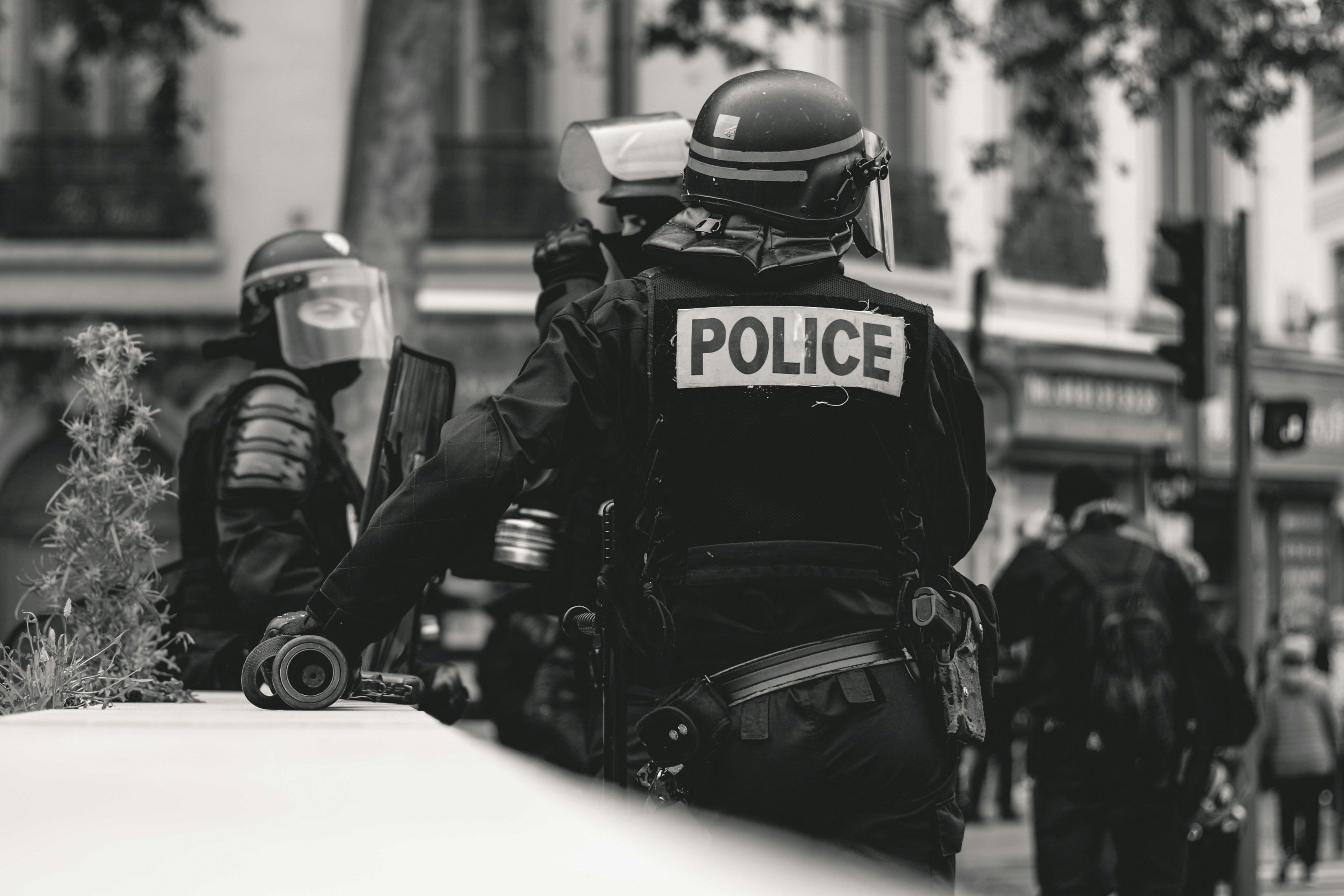 Photo by
 Well, let’s talk about how ICE uses these cameras.
ICE turns the equation on its head. Instead of sitting and waiting for a hit on a stolen car or a bench warrant, ICE feeds lists of immigrants into Flock’s query system and uses it to determine when and where people are the most vulnerable to abduction. Most of the instances where you hear about ICE pulling someone over and dragging them out of their car are powered by license plate reader data. Is this kind of dragnet an illegal search? A violation of your constitutional rights? Yeah, probably, but good luck getting ICE to stop doing it. Is it against Illinois state law for local law enforcement to share that data with ICE? Yeah, definitely, but there are a lot of racist cops in Illinois, and they very often share data even though it’s illegal.
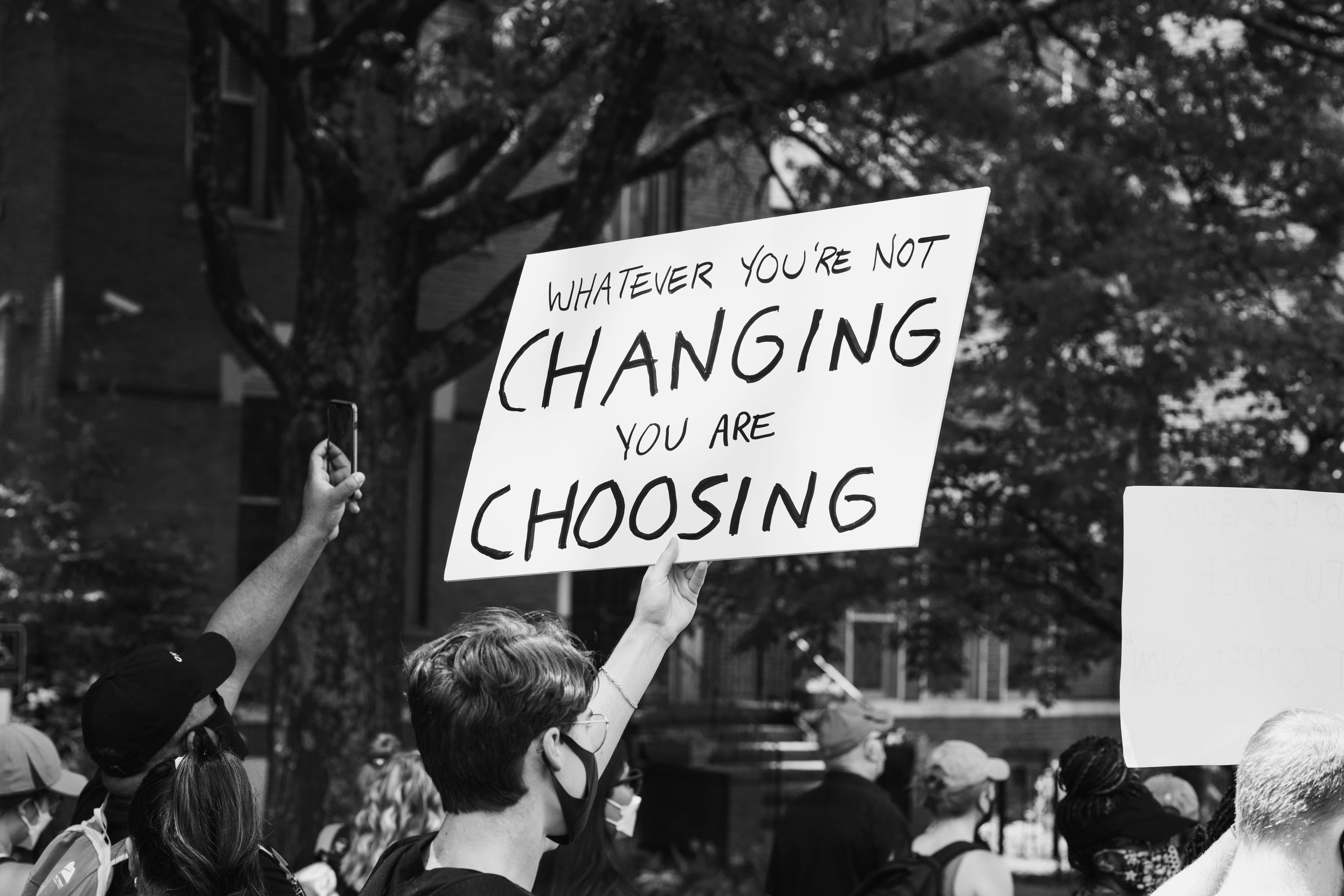 Photo by Corey Young on Unsplash
So how can we fight these? There is the obvious political solution of getting municipalities to cancel their contracts and cut down the cameras. Barring that, municipalities can audit access logs for their camera data to identify cops sharing data illegally. Our DSA Against Data Centers (DADC) campaign is currently working on rolling these points into their campaign.
In addition to getting involved in the DADC campaign, there are several ways to learn more and get more involved. I would encourage everyone to read Unraveled Press’s article “Eyes on the Heartland” (linked below) to understand some of the political and cultural context of these systems. If you are interested in learning more about and documenting the use of Flock in your community, there is a nationwide effort to map out ALPRs called DeFlock.
You might be feeling overwhelmed. After all, these things are in your community, constantly watching you and your friends. I think there are a lot of scenarios in which allowing these cameras to remain functioning could seriously constrain DSA operations in the future. Protecting ourselves against this future requires all of us to step up now.
Further Reading